

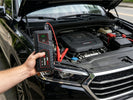
Cómo reparar un arrancador portátil: guía de solución de problemas segura
, por SAFEMATE
, por SAFEMATE
Un arrancador portátil que no carga, no enciende o no arranca su vehículo no está necesariamente roto para siempre. El problema podría ser algo simple: un cargador incorrecto, un puerto sucio, una pinza floja, clima frío o que se haya activado un sistema de seguridad interno. Incluso podría ser el coche, y no el arrancador, lo que impide que el motor arranque.
Reparar un arrancador portátil comienza por determinar qué está fallando, no por desmontarlo. Esta guía cubre las comprobaciones seguras que puede realizar usted mismo, soluciones a problemas comunes y las señales de advertencia que indican que es momento de reemplazar la unidad o enviarla a un centro de reparación.
Cargue completamente el arrancador con el cargador y el cable recomendados por el fabricante, deje que alcance la temperatura ambiente, revise los puertos y las pinzas, y conéctelo a una batería de coche compatible respetando la polaridad. Realice el reinicio únicamente siguiendo las instrucciones del manual. Si la carcasa está hinchada, agrietada, caliente, tiene fugas, está húmeda o desprende un olor extraño, deje de usarlo de inmediato: no lo abra ni intente "reanimarlo" usted mismo.
Algunos problemas pueden resolverse de forma segura sin abrir la carcasa. Puede cambiar a la configuración de carga correcta, limpiar un puerto seco, volver a conectar firmemente el cable de las pinzas, limpiar los bornes de la batería para mejorar el contacto, dejar que la unidad se temple y realizar un reinicio aprobado por el fabricante.
Lo que hay dentro es otra historia. La mayoría de los arrancadores compactos contienen potentes celdas de batería de litio, un sistema de gestión de baterías (BMS) y cables que transportan corriente de muy alta intensidad. Abrir la carcasa puede crear un riesgo real de cortocircuito, incendio o exposición a químicos, y además puede anular su garantía. La Agencia de Protección Ambiental de EE. UU. (EPA) señala que una batería hinchada es señal de daño y un posible riesgo de incendio. Si el problema parece ser interno, haga uso de su garantía o acuda a un servicio de reparación autorizado en lugar de intentar repararlo usted mismo.
Una forma sencilla de verlo:
| Generalmente seguro intentarlo usted mismo | Deténgase y busque ayuda profesional |
|---|---|
| Utilizar el cargador y cable exactos que recomienda el manual | Abrir la carcasa sellada |
| Limpiar polvo seco o residuos de un puerto externo | Reemplazar o soldar las celdas de la batería |
| Conectar firmemente el cable de las pinzas | Anular el sistema de seguridad o el interruptor de protección |
| Corregir la colocación de las pinzas y revisar la polaridad | Forzar la carga de una unidad que no responde |
| Seguir los pasos de reinicio del manual | Seguir usando una unidad hinchada o caliente |
| Lo que observa | Causas externas comunes | Posible causa interna |
|---|---|---|
| Sin luces ni pantalla | Batería vacía, cargador incorrecto, cable dañado, temperatura extrema | Fallo en celdas, sistema de seguridad, interruptor o placa base |
| No carga | Adaptador incorrecto, cable dañado, puerto sucio o flojo, temperatura fuera de rango | Celdas agotadas o circuito de carga averiado |
| Muestra carga completa pero no arranca el coche | Mal contacto de las pinzas, mala conexión, unidad muy pequeña para el motor, problema del coche | Alta resistencia interna o celdas desgastadas |
| Emite pitidos o muestra un error | Polaridad invertida, conexión floja, bajo voltaje en la batería del coche, sobrecalentamiento | Problema en el módulo de pinzas o circuito de seguridad |
| Se apaga al intentar arrancar | Tiempo de espera agotado, sobrecalentamiento, demasiados intentos seguidos, exceso de potencia requerida | Batería débil o fallo del circuito de seguridad |
| Pierde la carga rápidamente | Accesorios conectados, almacenamiento prolongado, temperatura extrema | Celdas viejas o dañadas |
La forma más rápida de encontrar el problema real es verificar cuatro elementos por separado: con qué está cargándolo, la batería del propio arrancador, las pinzas inteligentes y el coche. Cambiar varias cosas a la vez puede ocultar la causa real del problema.
Trabaje en un lugar seco y abierto, lejos de combustible, llamas y objetos metálicos sueltos. Quítese cualquier joya. No intente reparar una batería de coche que esté agrietada, tenga fugas, esté hinchada o pueda estar congelada; llame a un profesional.

Desenchufe el cargador y el cable de las pinzas. Inspeccione el arrancador en busca de hinchazón, una carcasa abierta, plástico derretido, líquido, corrosión, daños por caídas, olores extraños, siseos o calor persistente.
Si observa alguna de estas señales, no lo cargue, no lo pruebe, no lo abra ni lo use. Si existe riesgo de incendio, aleje a las personas y llame a los servicios de emergencia si es necesario. De lo contrario, comuníquese con el fabricante o su programa local de residuos peligrosos para saber cómo desecharlo de forma segura.
Anote qué está haciendo exactamente la unidad:
Luego, revise el manual. Los colores de las luces, los modos de refuerzo (boost), las necesidades de carga y los pasos de reinicio varían según el modelo.
Primero, asegúrese de que la toma de corriente alimenta correctamente otro dispositivo. Revise el cable de carga en busca de aplastamientos, puntas dobladas, holgura o decoloración. Utilice el puerto, adaptador, voltaje y capacidad de potencia exactos que indica el fabricante; un cable que encaja físicamente no siempre es compatible eléctricamente.
Enchufe el cargador en el orden que indica el manual y déjelo el tiempo de carga completo especificado. Si puede, pruebe un cable o adaptador que sepa que es correcto a la vez. No utilice un cargador de batería de coche convencional en un arrancador recargable por USB a menos que el manual lo especifique explícitamente.
Un circuito de seguridad puede pausar la carga o la salida si la unidad está demasiado caliente o demasiado fría. Lleve una unidad sin daños al interior y deje que vuelva naturalmente al rango de temperatura del manual antes de cargarla.
No intente calentarla con un secador de pelo, calentador, agua caliente o luz solar directa. La EPA recomienda almacenar las baterías de iones de litio a temperatura ambiente y mantenerlas alejadas de períodos prolongados de calor o frío extremos, ya que pueden causar daños.
Con todo desconectado, elimine pelusas o residuos secos del puerto de carga y del conector de las pinzas usando un cepillo suave, seco y no metálico. Limpie las mordazas de las pinzas y asegúrese de que los muelles cierren herméticamente. Nunca introduzca un objeto metálico en un puerto, ni rocíe limpiador dentro de la unidad, ni utilice un cable dañado.
Inserte el conector de las pinzas inteligentes completamente en el arrancador. Un conector que solo esté parcialmente insertado puede encender la luz, pero fallar al momento de solicitar una descarga de alta corriente.
Algunos modelos se reinician después de desconectar el cargador y las pinzas durante unos minutos. Otros requieren una secuencia específica de botones. Siga su manual exactamente. Un reinicio puede eliminar un bloqueo temporal por un fallo lógico o problema de temperatura, pero no puede reparar celdas que simplemente están agotadas.
No toque los bornes entre sí, no abra la carcasa, no aplique voltaje a través del zócalo de las pinzas ni puenteé la placa de seguridad. Esos "trucos de reanimación" que circulan por internet desactivan los controles de seguridad y pueden convertir un dispositivo reparable en un riesgo real de incendio.
Primero, asegúrese de que el arrancador coincida con el voltaje y el tamaño del motor del coche. Apague el encendido y todos los componentes electrónicos. Conecte la pinza roja al borne positivo (+) y luego la pinza negra al punto de tierra aprobado por el fabricante; a menudo el borne negativo o un punto marcado en el chasis.
Espere a la señal de "listo" de las pinzas inteligentes. Si indica polaridad invertida o mala conexión, desconecte y solucione el problema. Solo haga girar el motor durante el tiempo que permita el manual, luego espere el tiempo de enfriamiento indicado. Para conocer los pasos completos de conexión y desconexión, consulte Cómo arrancar un coche de forma segura.
Un arrancador en buen estado no puede reparar un motor gripado, un motor de arranque averiado, un alternador defectuoso, un cable de tierra dañado, un problema de inmovilizador o una batería de coche dañada internamente. Si las luces son brillantes pero el motor no gira, o varios intentos correctos fallan, deténgase. Lleve el coche a revisar.
Si la unidad arranca otro coche compatible o supera una prueba de carga aprobada, es más probable que el problema sea el vehículo original. Si falla en más de un coche compatible después de una carga completa y una conexión correcta, el arrancador probablemente necesite servicio técnico o ser reemplazado.

Pruebe con una toma de corriente que sepa que funciona, el adaptador recomendado y un cable compatible. Deje que la unidad alcance la temperatura ambiente, limpie el puerto externo y verifique si aparece la luz de carga. Si el puerto está flojo, se calienta o solo carga al mantener el enchufe en un ángulo determinado, deje de usarlo; eso significa que necesita servicio técnico, no un apaño.
Cárguelo completamente, desconecte todos los accesorios, anote el nivel mostrado y revíselo después del tiempo de almacenamiento normal indicado en el manual. Una carga que cae rápido sin nada conectado, o una pantalla que se apaga repentinamente bajo carga, indica celdas agotadas o un medidor de batería que lee mal. Un reinicio aprobado y un ciclo de carga completo pueden corregir una lectura de pantalla, pero intentar repetidamente "acondicionar" la batería no reparará las celdas dañadas.
Limpie y apriete las conexiones de la batería del coche, verifique la polaridad, conecte el módulo de pinzas firmemente y confirme que sea compatible con su coche. Un voltaje muy bajo en la batería del coche puede impedir que algunas pinzas inteligentes reconozcan la conexión. Solo use el modo de anulación manual (boost) si su manual lo permite específicamente, y solo después de haber verificado doblemente la polaridad usted mismo; ese modo puede desactivar algunos de los controles de seguridad normales.
Si el coche necesita arranques continuos, lleve a revisar la batería y el sistema de carga. Un arrancador es una fuente de energía de emergencia, no un cargador de baterías, y no puede solucionar lo que causa que la batería se siga descargando.
Desconecte primero. Compare el patrón exacto con su manual. Las causas comunes incluyen pinzas invertidas, una conexión incompleta, sobrecalentamiento, un cortocircuito detectado o un voltaje fuera del rango soportado. Nunca intente silenciar una alarma anulando la caja de seguridad de las pinzas inteligentes.
Deje que se enfríe durante el tiempo que indica el manual, apague los componentes electrónicos del coche y asegúrese de que la unidad esté completamente cargada. Intentar arrancar durante mucho tiempo o demasiadas veces seguidas puede activar el apagado de seguridad y sobrecalentar los cables o el motor de arranque. Si una unidad correctamente dimensionada sigue apagándose de inmediato, es hora de probarla o reemplazarla.

Deje de usar el arrancador y comuníquese con el fabricante, el distribuidor, un servicio de reparación autorizado o su programa local de reciclaje si:
La EPA advierte que las baterías de iones de litio no deben ir a la basura doméstica ni a los contenedores de reciclaje normales, ya que pueden dañarse durante la manipulación y provocar incendios. Consulte con el fabricante o su autoridad local de residuos sobre cómo almacenar y transportar de forma segura una unidad dañada; las normas exactas varían según la ubicación.
Si ha realizado todas las comprobaciones anteriores y la unidad aún no mantiene la carga, muestra un fallo de seguridad o está dañada físicamente, es momento de reemplazarla, no de seguir intentando repararla. Cuando llegue ese momento, es importante saber qué distingue a un arrancador en el que puede confiar de uno que probablemente le volverá a fallar.
Cada arrancador SAFEMATE se prueba y certifica bajo los estándares UL, GS, ETL, CE y FCC. No son insignias de marketing: cada una representa a un laboratorio independiente que prueba el producto frente a requisitos reales de seguridad y rendimiento, abarcando aspectos como la seguridad eléctrica, protección contra cortocircuitos y el comportamiento del dispositivo bajo carga. Un arrancador que cumple con tantos estándares independientes ha sido verificado por algo más que su propio fabricante.
Los arrancadores SAFEMATE incluyen una garantía de 2 años. Si una unidad desarrolla un fallo interno genuino dentro de ese periodo (no daños por mal uso, agua o caídas), está cubierta para reparación o reemplazo, sin complicaciones. Un periodo de garantía corto suele ser señal de que el fabricante no espera que las celdas de la batería duren mucho más allá de ese punto; dos años es un compromiso serio con la calidad de fabricación.
Cuando algo sale mal, el equipo de soporte de SAFEMATE está compuesto por personal técnico real que puede guiarle a través de los pasos exactos de solución de problemas de esta guía para su modelo específico, sin usar un guion genérico. Las solicitudes de soporte reciben respuesta en un plazo de 27 horas, por lo que no tendrá que esperar días preguntándose si vale la pena conservar su arrancador o reemplazarlo.
Elegir un arrancador con certificación de seguridad independiente, un período de garantía real y soporte al que realmente pueda acceder es lo que convierte la "energía de emergencia" en algo en lo que puede confiar cuando se queda varado y realmente importa.
Comprar Arrancadores Portátiles SAFEMATE →

Si una unidad antigua ya no mantiene una carga confiable, reemplazarla suele ser más seguro que intentar una reparación interna improvisada. Para un sedán típico o un SUV pequeño, elija el modelo más pequeño que cumpla con los requisitos de su vehículo; los motores más grandes y el clima frío generalmente requieren más potencia de arranque.
Trate cada luz y pitido como una pista, no como una prueba. Una linterna que funciona solo significa que algunos componentes electrónicos de bajo consumo tienen energía; no prueba que las celdas de la batería puedan entregar la ráfaga de corriente que necesita un motor de arranque. Del mismo modo, una luz de "listo" en la pinza solo confirma que reconoce una conexión, no que el arrancador o la batería de su automóvil estén realmente en buen estado.
Cambie una cosa a la vez y anote lo que sucede. Probar un cable que sabe que funciona, luego un adaptador y después un cambio de temperatura, le dice mucho más que cambiar todo a la vez. Y juzgue un arrancador por cómo funciona bajo una carga aprobada, no solo por el porcentaje que se muestra en su pantalla en reposo.
¿Se puede reemplazar la batería dentro de un arrancador portátil?
Algunos paquetes de refuerzo de plomo-ácido más antiguos fueron construidos para que usted mismo pudiera reemplazar la batería. La mayoría de los arrancadores de litio compactos actuales están sellados y no están diseñados para ser abiertos por el propietario. Utilice únicamente un método de reemplazo que el fabricante proporcione específicamente; de lo contrario, reemplace la unidad completa o busque servicio profesional.
¿Cómo reinicio un arrancador portátil?
Siga los pasos exactos del manual de su modelo. Podría significar desconectar todos los cables, mantener presionado el botón de encendido o volver a conectar el cargador. No existe un método de reinicio único que funcione para todos los modelos. Nunca toque los terminales entre sí ni abra la carcasa para intentar reiniciarlo.
¿Por qué mi arrancador dice 100% pero no funciona?
La pantalla está estimando la carga almacenada con bajo consumo de energía. Las celdas gastadas aún pueden mostrar un nivel de reposo normal, pero caen bruscamente en voltaje en el momento en que el motor de arranque exige una gran ráfaga de corriente. El mal contacto de las pinzas, una unidad demasiado pequeña para su motor, el clima frío o un problema con el automóvil pueden causar este mismo síntoma.
¿Se puede recargar un arrancador completamente muerto?
Intente solo con el cargador, el rango de temperatura y los pasos de recuperación que el fabricante recomienda específicamente. Si sigue sin responder, no fuerce voltaje en otro puerto ni intente evitar su circuito de seguridad. Comuníquese con el fabricante o reemplácelo.
¿Por qué pita mi arrancador?
Es posible que las pinzas inteligentes hayan detectado polaridad inversa, una mala conexión, sobrecalentamiento, un cortocircuito o un voltaje de batería de automóvil fuera de lo que admite la unidad. Desconéctelo y compare el patrón de luces o pitidos con su manual antes de intentarlo de nuevo.
¿Cuánto dura un arrancador portátil?
Esto varía según el tipo de celda de la batería, a cuánto calor ha estado expuesto, cómo se almacena, qué tan profundamente se descarga y con qué frecuencia se usa. Reemplácelo cuando esté dañado, no pueda mantener una carga confiable o falle en una prueba de rendimiento aprobada; la edad por sí sola no es lo único que importa.
¿Puedo dejar un arrancador portátil enchufado todo el tiempo?
Solo si el fabricante dice específicamente que la carga continua es aceptable. De lo contrario, cárguelo por completo, desenchúfelo y siga el programa de carga de mantenimiento del manual. Evite cargarlo o guardarlo en un lugar caliente durante largos períodos.
¿Es un arrancador lo mismo que un cargador de batería?
No. Un arrancador proporciona una breve ráfaga de alta corriente para encender un motor. Un cargador de batería rellena lentamente una batería de automóvil con el tiempo. Un arrancador no puede reparar una batería o un sistema de carga fallido.
Esta guía fue creada por el equipo técnico de SAFEMATE utilizando conocimientos sobre productos de arrancadores portátiles, conceptos básicos de energía de emergencia automotriz, situaciones comunes de solución de problemas, mejores prácticas de manuales del fabricante y la guía actual de seguridad de baterías de iones de litio de la EPA. Hemos limitado deliberadamente los consejos de bricolaje a comprobaciones externas que no desactivan ninguna protección de seguridad integrada.
Para reparar un arrancador portátil de forma segura, comience con las causas simples y externas: el cargador correcto, un buen cable, puertos limpios, un conector de pinza bien asentado, temperatura normal, polaridad correcta y un reinicio aprobado por el manual. Luego, descarte si el problema real es el automóvil y no el arrancador.
Si la carcasa o la batería muestran daños, o si la unidad aún no puede proporcionar energía confiable después de estas comprobaciones, deje de intentar repararlo. Use su garantía, un servicio de reparación aprobado o un programa adecuado de reciclaje de baterías. Y si el reemplazo es la opción correcta, busque un arrancador con certificación de seguridad independiente, una garantía real y soporte al que realmente pueda acceder; compare los arrancadores SAFEMATE según la compatibilidad con su vehículo y sus necesidades reales de emergencia.
Comprar Arrancadores Portátiles SAFEMATE →
¿Tiene alguna pregunta que esta guía no respondió? Comuníquese con nuestro equipo de soporte →
Arrancador de baterías SAFEMATE


